 Call us now:


Table of Contents
- What Is the FMCSA Clearinghouse and Why It Matters
- What Gets Reported to the FMCSA Clearinghouse
- FMCSA Clearinghouse Reporting Requirements for Employers
- MRO Clearinghouse Reporting Process
- FMCSA Clearinghouse Return-to-Duty Process
- Common Reporting Errors and How to Avoid Them
- How Drivers and Owner-Operators Access Their Clearinghouse Records
- Frequently Asked Questions
Last Updated: October 20, 2026
What Is the FMCSA Clearinghouse and Why It Matters
The FMCSA Clearinghouse is a federal database that tracks drug and alcohol violations for commercial drivers holding a Commercial Driver’s License (CDL).
Understanding the clearinghouse reporting process is essential because a single violation can land your status as “PROHIBITED”, meaning you cannot legally operate a commercial motor vehicle until you complete the return-to-duty (RTD) process. This isn’t a minor administrative issue.
The Clearinghouse exists to protect public safety by preventing drivers with unresolved drug or alcohol violations from operating commercial vehicles. Every employer is required to query the system before hiring a driver and must report violations within specific timeframes.
At RTDStep5, we help drivers navigate this system by ensuring their RTD testing is completed correctly and reported to the Clearinghouse without delays or errors.
What Gets Reported to the FMCSA Clearinghouse
Reportable Violations and Events
Not every drug or alcohol incident gets reported to the Clearinghouse. According to FMCSA regulations under 49 CFR Part 382, reportable events include a positive drug test result, a confirmed alcohol test showing 0.04 BAC or higher, a refusal to submit to testing, and actual knowledge of drug or alcohol use by a driver in safety-sensitive functions.
The key distinction is “safety-sensitive functions.” This includes operating a commercial motor vehicle, loading or unloading cargo, inspecting vehicles, and other duties directly tied to vehicle operation. A violation during these functions must be reported. A positive result outside these functions may not trigger a Clearinghouse report, though your employer’s policy may still apply consequences.
Common reportable violations include failing a Department of Transportation (DOT) drug test, testing positive for alcohol above the legal limit, refusing a test without a legitimate medical reason, and admitting to drug or alcohol use during a safety-sensitive period.
Information Required in Each Report
When an employer, MRO, or substance abuse professional files a violation report, they must include specific driver identification data to ensure the correct record is updated. The report must contain the driver’s full legal name, date of birth, and the state that issued their CDL.
The violation details section requires the date the violation occurred, the type of violation (positive test, refusal, actual knowledge), the test result (if applicable), and the testing facility or employer name. For MRO reports, the specific substance detected must be listed.
The reporting party must also identify themselves, whether they are an employer, MRO, or substance abuse professional. This determines the authority of the report and the timeline for any follow-up actions. Missing or inaccurate information delays processing and can create disputes.
FMCSA Clearinghouse Reporting Requirements for Employers
Who Must Report and When
Every motor carrier and employer of commercial drivers must register with the Clearinghouse and maintain an active account. This applies regardless of fleet size, from large trucking companies to owner-operators. If you employ anyone with a CDL in a safety-sensitive role, you have reporting obligations.
Employers must report violations within 30 days of learning about them. This 30-day window is strict. Reporting late does not erase the violation; it simply creates a compliance violation for the employer.
Owner-operators present a special case. An owner-operator who drives their own vehicle must still comply with clearinghouse reporting process requirements if they are considered their own employer. Some owner-operators work as independent contractors for larger carriers, which shifts reporting responsibility to the carrier.
Reporting Deadlines and Compliance Timeline
The reporting deadline is 30 days from the date the employer has actual knowledge of the violation. Actual knowledge means the employer has received official notification, a confirmed test result, a written statement from the driver, or documentation from a testing facility.
Once reported, the violation appears in the Clearinghouse immediately. The driver’s status becomes PROHIBITED.
Employers must also conduct annual queries of the Clearinghouse for all drivers with active CDLs. These annual queries ensure the employer is aware of any violations on record. Some employers conduct queries more frequently or before each shift, depending on their safety protocols.
MRO Clearinghouse Reporting Process
How MROs Report Test Results
Medical Review Officers (MROs) are responsible for reviewing drug test results and determining whether they are positive, negative, or invalid. The MRO contacts the driver to explain the result and provide an opportunity to dispute the test.
The MRO must report positive drug tests and certain refusals within one business day of making the determination. This quick reporting timeline ensures the Clearinghouse is updated rapidly. The report includes the driver’s identification, the substance detected, the test date, and the MRO’s certification number.
For alcohol tests, the employer typically reports the result directly to the Clearinghouse, not the MRO. The MRO’s role is to verify the test was conducted properly and to communicate the result to the driver. Employers then have 30 days to report the violation.
Correcting and Disputing Reports
If a report contains inaccurate information, wrong test date, incorrect substance, wrong driver identification, the driver or employer can request a correction. The correction must be submitted through the Clearinghouse portal with supporting documentation. Common errors include transposed dates, misspelled names, or incorrect CDL state.
Disputing a report is different from correcting it. A dispute challenges the validity of the test itself, not just the information in the report. Grounds for dispute include improper testing procedures, chain-of-custody violations, or equipment malfunction. The driver must provide evidence, and the dispute is reviewed by the Clearinghouse administrator.
The process for corrections and disputes can take weeks. During this time, the driver remains in PROHIBITED status. This is why accuracy from the start is critical.
Watch Out
Inaccurate reports can trap drivers in prohibited status longer than necessary. Always verify that your report information is correct before submission. If you discover an error after reporting, submit a correction immediately with supporting documentation.
FMCSA Clearinghouse Return-to-Duty Process
Steps to Clear Your Prohibited Status
Clearing your prohibited status requires completing a five-step return-to-duty process. The first step is obtaining an evaluation from a substance abuse professional (SAP).
Step 2 involves completing the education or treatment program recommended by the SAP.
Step 3 requires a follow-up evaluation from the SAP after you complete the education or treatment. The SAP confirms you have complied with their recommendations and are ready for testing.
Step 4 is the critical return-to-duty (RTD) test, a new drug and alcohol test conducted after all previous steps are complete.
Step 5 is reporting the negative RTD test result to the Clearinghouse. Once the result is reported, your prohibited status is cleared, and you can legally operate a commercial vehicle again.
Pro Tip
The RTD test must be conducted by a DOT-certified testing facility. Not all testing locations are certified for RTD tests. Verify your testing site is DOT-compliant before your appointment to avoid wasting time at an ineligible location.
Follow-Up Testing and Compliance Requirements
After your RTD test clears your prohibited status, you enter a follow-up testing period. For 12 months, you must submit to unannounced drug and alcohol tests at a frequency determined by your SAP, typically 6 to 12 tests per year.
The follow-up testing is mandatory. Missing a test or testing positive during this period resets your prohibited status. You would have to restart the entire return-to-duty process, losing months of progress. This is why compliance during the follow-up period is critical.
Your employer is responsible for conducting or arranging these follow-up tests. As a driver, you must be available and cooperative. Keep records of all follow-up tests and their results. At the end of 12 months with no violations, your follow-up testing obligation ends.
Common Reporting Errors and How to Avoid Them
Reporting errors delay drivers’ return to work and create frustration for employers. The most common mistake is incomplete driver identification.
Missed deadlines are another frequent error. Employers sometimes forget the 30-day reporting window or miscount the days. Reporting late creates a compliance violation for the employer, even though the violation itself is still recorded.
Incorrect violation classification causes problems too. Reporting a refusal as a positive test, or vice versa, creates a record that doesn’t match the driver’s actual situation. This can lead to disputes and delays in the driver’s return-to-duty process. Verify the violation type before submitting.
Using an ineligible testing facility for the RTD test is a costly mistake. Some testing sites are not DOT-certified or not authorized to conduct RTD tests.
Watch Out
An RTD test completed at a non-compliant facility does not clear your prohibited status, even if the result is negative. This error can delay your return to work by weeks. Confirm your testing facility is DOT-certified and authorized for RTD tests before your appointment.
How Drivers and Owner-Operators Access Their Clearinghouse Records
Drivers and owner-operators can access their own Clearinghouse records through the official FMCSA Clearinghouse portal. Visit the FMCSA Clearinghouse website and log in with your account credentials.
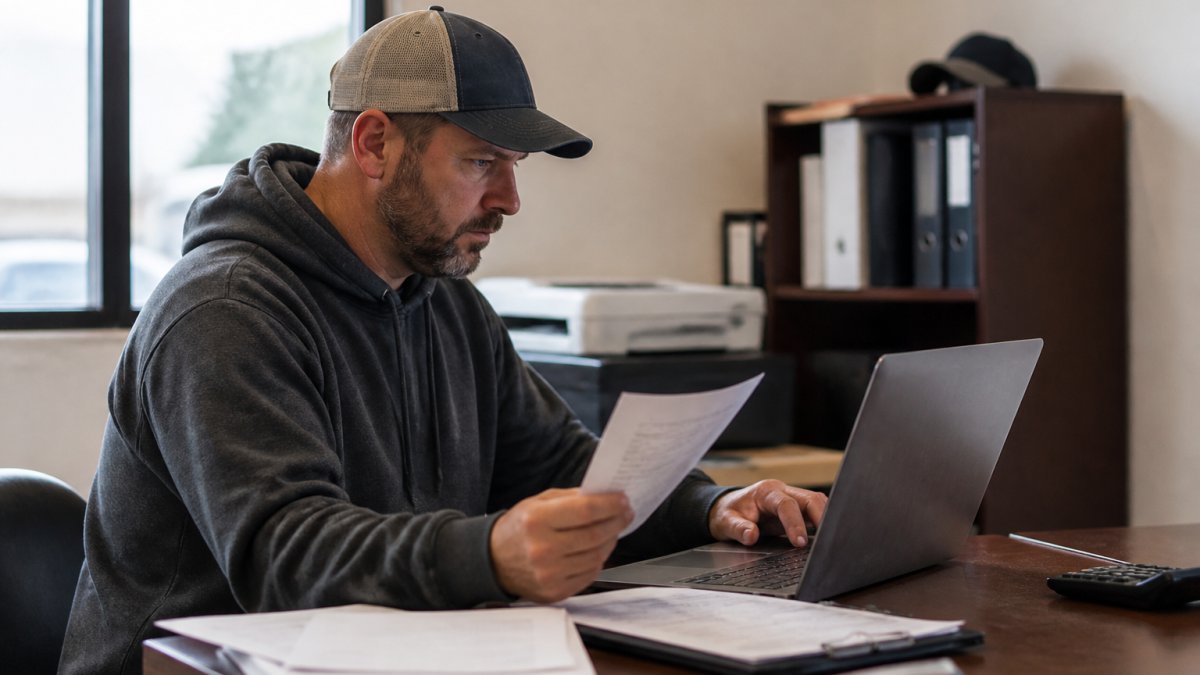
Once logged in, you can view your current status (PROHIBITED or CLEAR), see all violations on record, and check the dates they were reported.
Drivers can query their own record as often as they want. Many drivers check weekly during their return-to-duty process to monitor progress.
If you find an error in your record, a violation you don’t recognize or incorrect information, you can submit a correction request through the portal.
You can also authorize employers or prospective employers to access your record. When you authorize an employer query, they can see your current status and violation history.
Clearing your prohibited status is a structured process with clear deadlines and requirements.
Frequently Asked Questions
What gets reported to the FMCSA Clearinghouse?
The FMCSA Clearinghouse records drug and alcohol violations involving commercial drivers. Reportable events include positive drug test results, confirmed alcohol test results of 0.04 BAC or higher, refusal to test, and actual knowledge violations (when an employer knows a driver used a controlled substance or alcohol). Employers and Medical Review Officers (MROs) must report these violations under 49 CFR Part 382, Subpart B within specific deadlines to maintain compliance.
What are the reporting deadlines for FMCSA Clearinghouse violations?
Employers must report a violation to the FMCSA Clearinghouse within 30 days of learning of the violation. MROs must report confirmed positive drug tests within 2 business days and alcohol test results within 1 business day of the test. Missing these deadlines can result in violations and regulatory penalties. Delays also prevent drivers from beginning their return-to-duty process, extending their prohibited status.
How does the FMCSA Clearinghouse return-to-duty process work?
A driver with prohibited status must complete five steps: (1) removal from safety-sensitive duties, (2) evaluation by a Substance Abuse Professional (SAP), (3) completion of education or treatment, (4) passing a return-to-duty drug or alcohol test, and (5) completion of follow-up testing. Once Step 4 is completed with a negative result, the MRO reports it to the Clearinghouse, and the driver’s status updates. Drivers can then resume safety-sensitive driving duties.
Can an owner-operator complete their FMCSA Clearinghouse return-to-duty test without an employer?
Yes. Owner-operators can arrange their return-to-duty test independently through a Certified/Third-Party Administrator (C/TPA) or testing service without an employer’s involvement. The C/TPA will handle the test scheduling, collection, and reporting to the FMCSA Clearinghouse. This allows owner-operators to clear their prohibited status and return to driving on their own timeline without waiting for employer support.
What is the difference between a violation report and a return-to-duty report in the Clearinghouse?
A violation report documents the drug or alcohol violation itself (positive test, refusal, or actual knowledge) and is submitted by the employer or MRO within 30 days of the violation. A return-to-duty report documents the driver’s negative test result after completing the SAP process and is submitted by the MRO after Step 4 testing. The return-to-duty report clears the driver’s prohibited status in the Clearinghouse system.
What happens if an incorrect report is submitted to the FMCSA Clearinghouse?
Drivers or employers who believe a report is inaccurate can submit a dispute through the Clearinghouse portal. The system allows corrections for data entry errors (such as wrong driver identification or dates). If a violation was reported in error, the employer or MRO who submitted it can request removal. The Clearinghouse provides evidence trails and documentation to support dispute resolution and ensure accurate driver records.
How long does it take for an MRO to report a return-to-duty test result to the Clearinghouse?
MROs must report return-to-duty test results to the FMCSA Clearinghouse within 1 business day of receiving the confirmed result from the laboratory. Once reported, the driver’s prohibited status updates in the system, typically within 24-48 hours. Fast reporting ensures drivers can quickly resume their driving duties and minimizes downtime after completing their return-to-duty testing.